
Winter and spring
Pruning shapes the harvest before the first leaf appears. In spring we watch the buds break and tie the vines one by one.
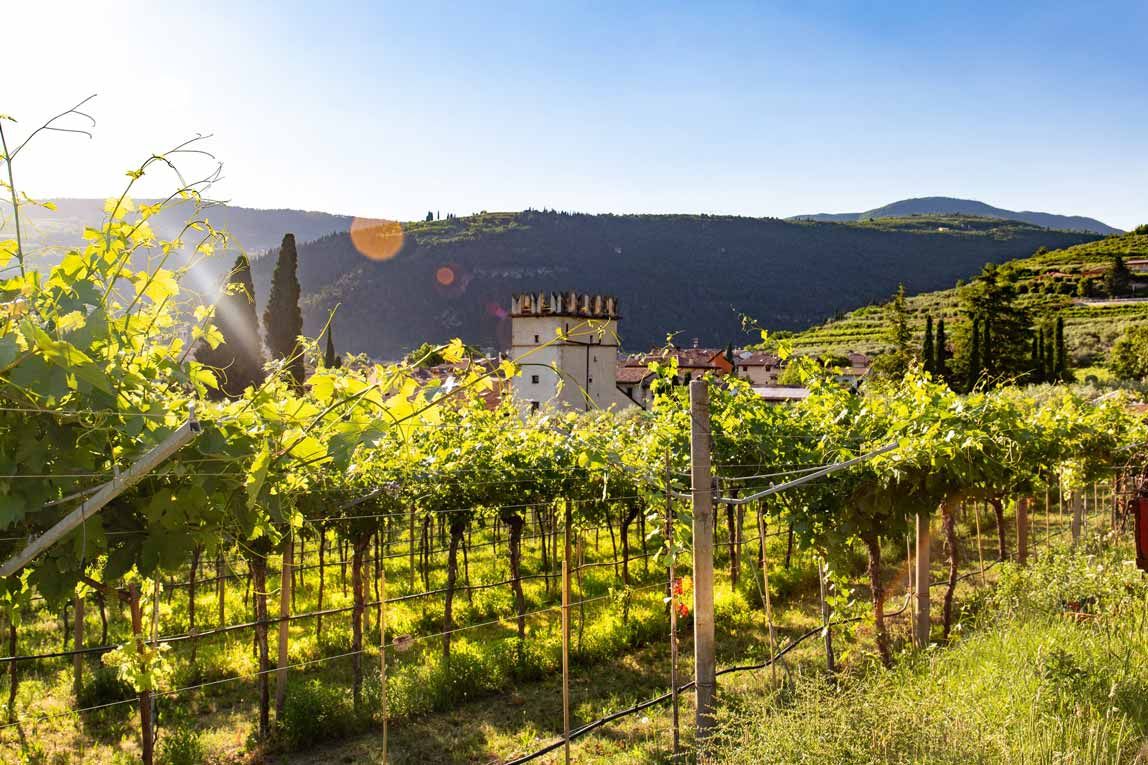
Near the village of Florentin, on the very bank of the mighty Danube, nature has made one of those rare places where time seems to slow down.
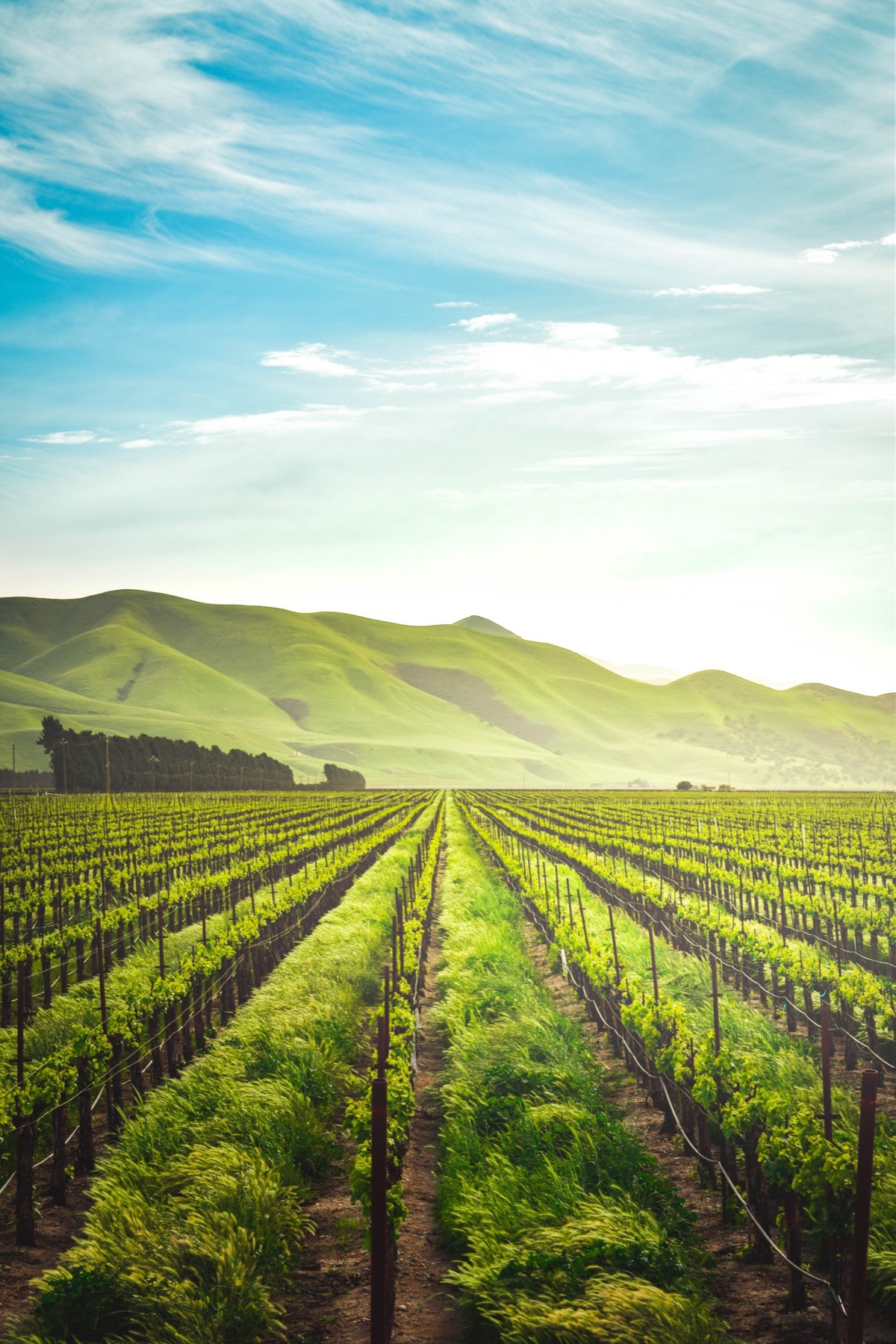
The river slides quietly on its way, and the sun bathes its banks in a warm light that makes the vines shine like emeralds in the afternoon heat. The air smells of grass, damp earth and grapes ripening under the care of the sun and human hands.
More than half of Florentin's land is planted with vines. Among them rises Bachovo Hill — 216 metres, the highest point of the village. The soils along the Danube are alluvial, sandy and rich in minerals, and the river softens the temperature extremes and lengthens the growing season — the grapes ripen slowly and keep their freshness.
The Gamza we grow is Novoselska Gamza — a local population of the variety, particular to the lands of Florentin, Vinarovo and Negovanovtsi. These vines grow on their own roots, ungrafted.
In the late 19th century phylloxera destroyed almost all of Europe's vineyards, and ever since, viticulture has relied on grafting onto American rootstock. Vineyards that survived on their own roots are rare — and give wine with a more direct connection to the soil.
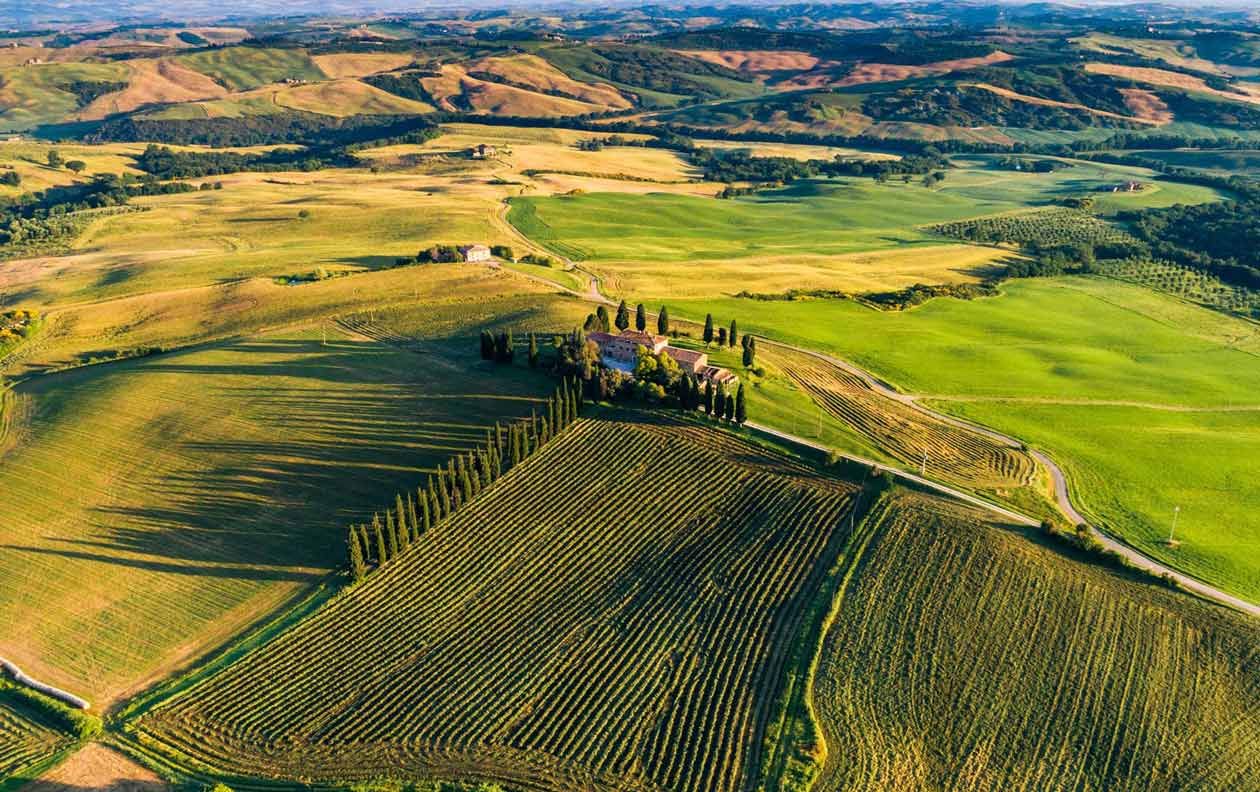
Pruning shapes the harvest before the first leaf appears. In spring we watch the buds break and tie the vines one by one.
We thin leaves and bunches so the sun reaches every cluster and each vine gives less, but better.
Harvest is by hand, with bunches chosen in the vineyard. From the vines to the cellar is only a few minutes' drive.
Three varieties, grown in one place and turned into wine a few steps away.

Before you explore our site, please confirm that you are 18 or over. Cheers!
The sale of alcohol to persons under 18 is prohibited.